Home / Articles
Fat Contouring Surgery: Non-Invasive Facial Sculpting
Home / Articles
Fat Contouring Surgery: Non-Invasive Facial Sculpting
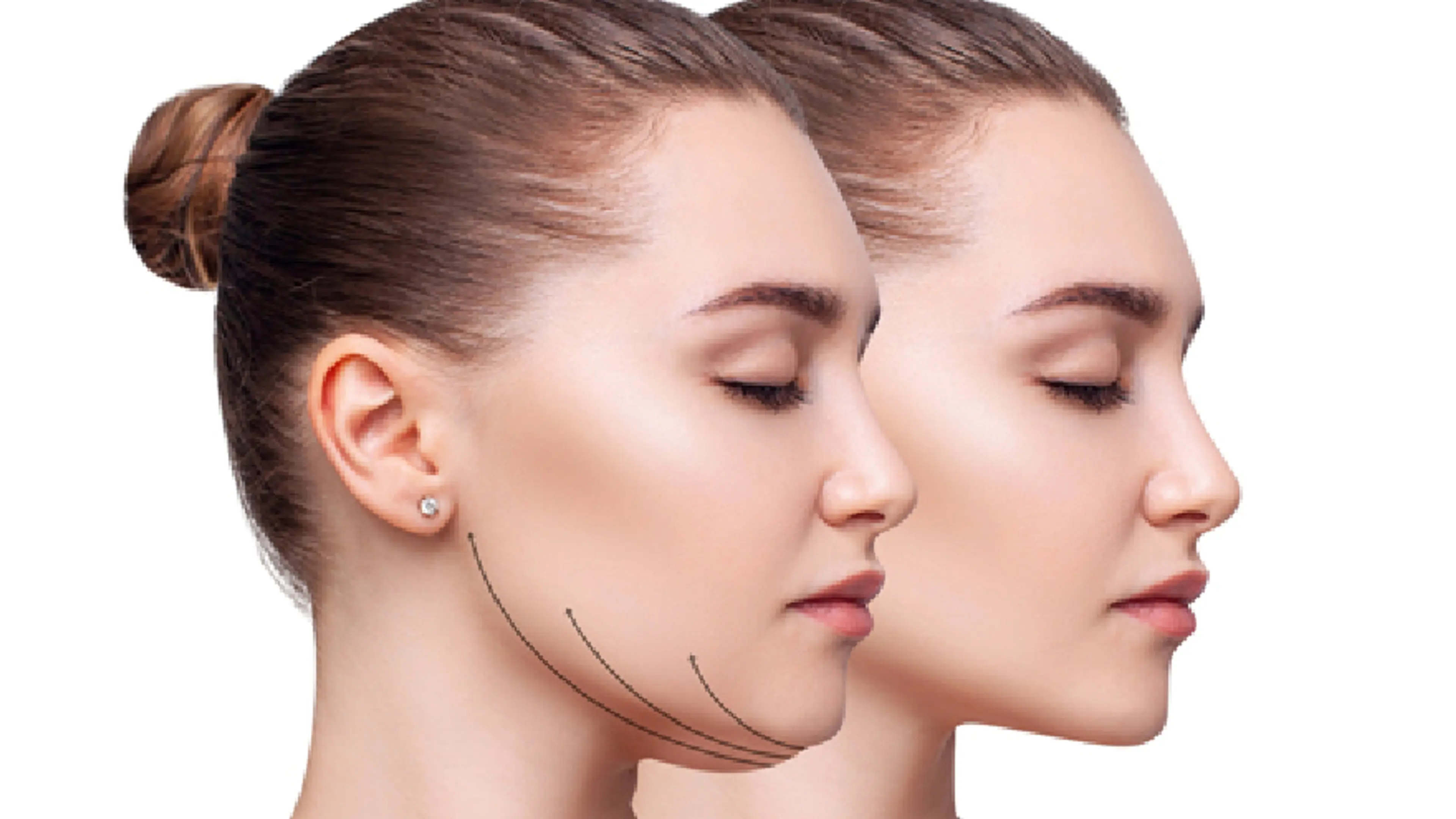
Imagine waking up, looking in the mirror—and wondering why your cheeks or jowls feel blurred, lacking nuance. What many patients don’t realize is that subtle redistribution of facial volume often holds the key. But if the idea of surgery feels too intense—or you’re simply not ready yet—non-invasive fat contouring can offer a kinder, confidence-boosting first step.
Non-invasive fat contouring refers to methods that reduce localized fat through controlled cooling, ultrasound, or even controlled heating—without incisions, anesthesia, or downtime. Think of it as gently coaxing the landscape beneath your skin to reshape itself, rather than manually chiseling it.
Why this matters—especially for facial areas like the cheeks, jowls, or under-chin—is that those zones are emotion-rich real estate. A small shift in fullness or tightness can alter perceived mood or confidence. Many patients report that even modest reduction of the “double chin” or soft jowl can make them feel lighter, more open, more themselves.
In Korea, where subtlety in aesthetics is highly prized, this kind of minimal yet meaningful transformation aligns closely with cultural ideals of natural beauty. And for those who wish to enhance facial definition without the stigma or commitment of surgery, non-invasive sculpting offers an appealing alternative.
When you’re hesitant, you’re not alone. We’ve seen countless patients delay—or avoid—a procedure only to discover that a calmer, measured first step gave them both emotional reassurance and visible joy.
What’s powerful is the shift we often see not just in the mirror, but in posture, tone of voice, or the courage to wear your hair up again. These are the quiet victories of well-executed, subtle facial contouring.
Depending on your skin quality, fat thickness, and symmetry concerns, we might choose:
Here’s what many don’t realize: that collagen tightening is the “stealth” hero. You may think fat is the only issue, but skin laxity often tells a different story. Locking in that collagen “bounce” is what prevents an overly hollow or saggy result.
This process isn’t rushed. It’s respectful. Because when we treat your face, we’re not just reshaping fat—we’re shaping how you show up in the world.
Many imagine that non-invasive = everyone—but reality invites nuance. A realistic candidate usually has:
Localized subcutaneous fat under the chin or along the jaw, but good skin elasticity.
Mild to moderate fullness—not grade-IV jowl or deeply sagging tissue.
Expectations oriented toward refined, not dramatic, change.
Age is less a limiting factor than tissue behavior. We’ve treated patients in their late 20s with stubborn hereditary chin fullness and patients in their early 60s seeking light refinement without downtime. What unites them is clarity: they seek enhancement, not overhaul.
Unlike surgery, you won’t look drastically different the next day. Instead, there’s a gradual, gentle evolution as fat cells break down and are naturally reabsorbed. Some patients see subtle shifts in 2–3 weeks; most reach full effect around 8–12 weeks.
It’s important to know: results don’t peak overnight. They arrive quietly, like the first signs of spring.
Mild tightness or numbness around treated zones (usually fading in days to weeks)
Slight firmness that relaxes into smoother contour over time
A sense of “rediscovery” when you notice your jawline in soft natural light—not harsh clinic illumination
In some cases, a second session enhances the results. Our team always guides you transparently, never overselling. Trust is our most enduring result.
You might be surprised to know: psychology and aesthetics intertwine. When your facial structure subtly supports your expressions more clearly, emotions read truer. A gentle jawline can make a smile feel more confident, your words feel more grounded.
The balance is delicate: remove too little, and you feel underwhelmed; remove too much, and the harmony is lost. Our job is not only technical, but also ethical.
Dr. Lee often explains this through a visual analogy: *"Imagine a painting framed too tightly on the bottom edge. Release that lower border, and suddenly the entire composition breathes."
That’s the unseen power of selective contouring.
Even non-invasive treatments require a gentle pace. Patience is part of the process—and trusting the gradual unfold. In reality, the slow return of definition can bring more confidence than rapid change. Many of our patients come back not because they regret, but because they love it—and want another whisper of harmony.
We believe aesthetic care is not about constant change, but calibrated enhancement. Knowing when to pause is just as important as knowing when to proceed.
Don’t rush. Find a team that listens first, sculpts second—prioritizing safety, artistry, and honest results.