Home / Articles
Minimally Invasive Double Eyelid Surgery: What to Expect
Home / Articles
Minimally Invasive Double Eyelid Surgery: What to Expect
The eyes are often described as the most expressive part of the face, and the shape of the upper lid plays a subtle but powerful role in that expression. For patients seeking definition without the intensity of cutting or the downtime of traditional blepharoplasty, this procedure offers an elegant middle ground.
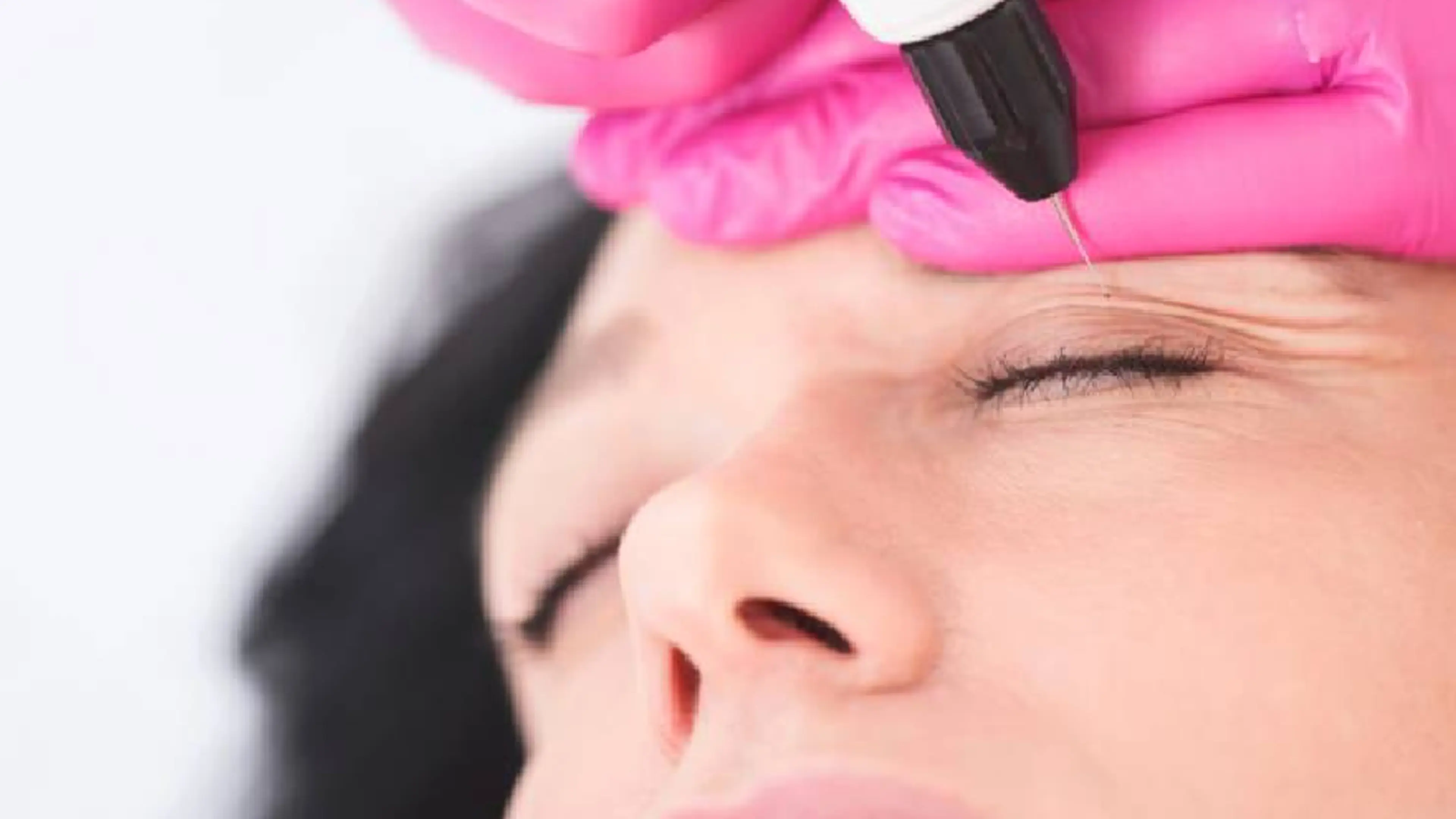
The non-incisional method uses ultra-fine puncture points—typically 1 to 2 mm in size—placed along the predetermined eyelid crease line. Through these micro-openings, a permanent suture is carefully looped through the tissue and anchored to the levator muscle or tarsal plate. This suture gently pulls the skin inward, creating the illusion of a natural eyelid fold.
Because the skin isn’t cut or removed, the results are often subtle, soft, and reversible. This can be reassuring for patients who are exploring cosmetic surgery for the first time or are unsure about committing to a permanent change. In skilled hands, the fold behaves like a natural crease, responding to blinking and eyelid movement with a fluid, seamless motion.
The procedure typically takes 30 to 60 minutes and is performed under local anesthesia, with or without mild sedation. Patients can return home shortly afterward and, in many cases, resume normal daily activities within a few days.
This technique is especially suited for individuals who:
Have thin to moderate upper eyelid skin without significant fat deposits
Desire a natural-looking crease that is subtle and culturally harmonious
Are looking for fast recovery, minimal swelling, and no visible scars
May want the option to revise or reverse the results later
Have no history of severe eyelid ptosis or significant asymmetry
For younger patients, particularly those in their 20s and 30s, this method is often ideal because their skin retains good elasticity and their upper eyelid anatomy supports non-surgical folding. It’s also popular among patients with monolids or partial creases who seek slight refinement without transforming their inherent ethnic features.
Mild swelling, tightness, and slight bruising are common but generally subside within the first 3 to 5 days. Most patients describe the discomfort as more like eye strain than pain. Cold compresses and over-the-counter medications are usually sufficient.
In many cases, the sutures used are buried and absorbable. If any external stitches are used, they are typically removed within 2 to 4 days. The technique itself leaves no linear scar, which is a major advantage over traditional incisional surgery.
By day 7, most patients feel comfortable going out in public, attending work or school, and resuming light social activities. The crease begins to look more blended with the surrounding skin, and any remaining puffiness softens significantly.
The fold becomes more natural in appearance, and the eyes regain their normal expressiveness. Makeup can be used to enhance or soften the appearance during this transition period, although many patients find they no longer need heavy eye makeup.
Minimal downtime: Patients often return to their routines quickly, making this ideal for professionals, students, or travelers.
No visible scarring: The use of micro-punctures instead of incisions leaves no linear marks, which is especially appreciated by patients with concerns about visible alterations.
Subtle, customizable results: The crease height, depth, and shape can be tailored to individual preferences and facial harmony.
Lower risk: As there is no tissue removal, risks like scarring, nerve damage, and hollowing are significantly reduced.
Reversibility: In the rare case that a patient is dissatisfied, the sutures can be removed, and the fold will often return to its original state.
Durability: While many patients enjoy long-lasting results, the crease can fade over time, particularly in those with oily skin or highly active eyelids.
Not ideal for all anatomy: Patients with thick eyelids, excess skin, or a history of ptosis may not see the desired results without a more invasive approach.
Potential for asymmetry: Though rare with experienced surgeons, even subtle differences can be noticeable in a procedure that prioritizes natural movement and light tension.
Method | Recovery Time | Scar Risk | Effect Durability | Ideal Candidates |
|---|---|---|---|---|
Non-Incisional | 1–2 weeks | Very low | Moderate (may fade) | Thin lids, subtle natural change |
Incisional | 2–3 weeks or more | Slightly higher | High (long-lasting) | Thick lids, excess fat/skin |
The incisional method, while more invasive, allows for the removal of skin and fat and can offer a deeply defined, stable crease. It’s often the method of choice for patients seeking a dramatic transformation or permanent correction. However, it carries a longer recovery and more visible signs of surgery.
Potential risks include:
Temporary asymmetry during the healing phase
Fold regression over time
Infection or inflammation at the puncture points
Rare suture extrusion or visibility under thin skin
Through proper consultation, precise technique, and attentive follow-up, these complications are exceedingly rare. Our clinic also emphasizes transparency and patient education, so you feel informed at every stage of the process.
We design each crease with precision mapping and individualized aesthetic goals
We balance the procedure with a patient’s cultural context and personality
We protect functional anatomy while delivering a fold that feels organic, not imposed
This is the essence of our clinic’s approach: artistry, anatomy, and ethics in equal measure. We do not rush. We do not guess. And we do not compromise.
If you’re considering non-incisional double eyelid surgery, here are some questions to reflect on:
What are you really seeking—definition, symmetry, lightness?
Do you prefer a reversible change, or are you seeking permanence?
Is your skin type and anatomy suited to the buried suture method?
Would a subtle change truly satisfy you, or are you seeking a more noticeable transformation?
Expect refinement, not reinvention. And know that natural beauty, when guided by expert hands, is never an accident—it’s a choice well made.